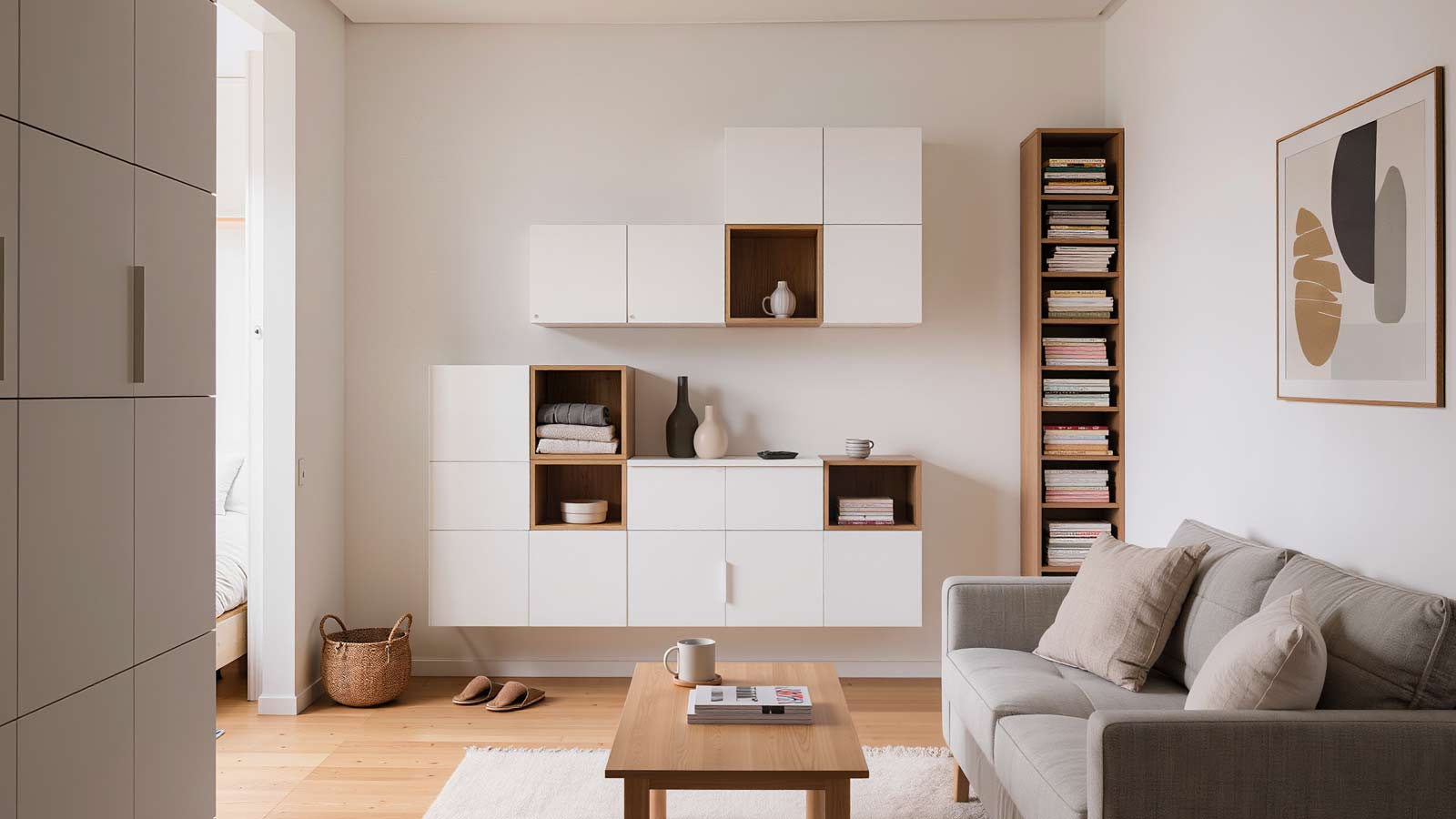
Slim Wall Cabinets for Small Apartments: Smart Storage Without Sacrificing Space
Living in a small apartment often means facing one frustrating reality: there’s never enough storage, but there’s also no room to add bulky furniture. This is where a slim wall cabinet small apartment solution becomes a game-changer. Instead of taking up valuable floor space, these narrow storage units make use of vertical surfaces that are often overlooked.
Whether you’re dealing with a tight hallway, a compact kitchen, or a bedroom without a closet, a narrow wall storage cabinet can provide practical organization without crowding your living area. The key is understanding how to use these cabinets strategically so they enhance both functionality and flow.
In this guide, you’ll learn how compact mounted storage solutions like slim wall cabinets can transform small spaces, where to use them, and how to choose the right style for your apartment—especially if you’re working with renter-friendly limitations.
Why Slim Wall Cabinets Work So Well in Small Apartments
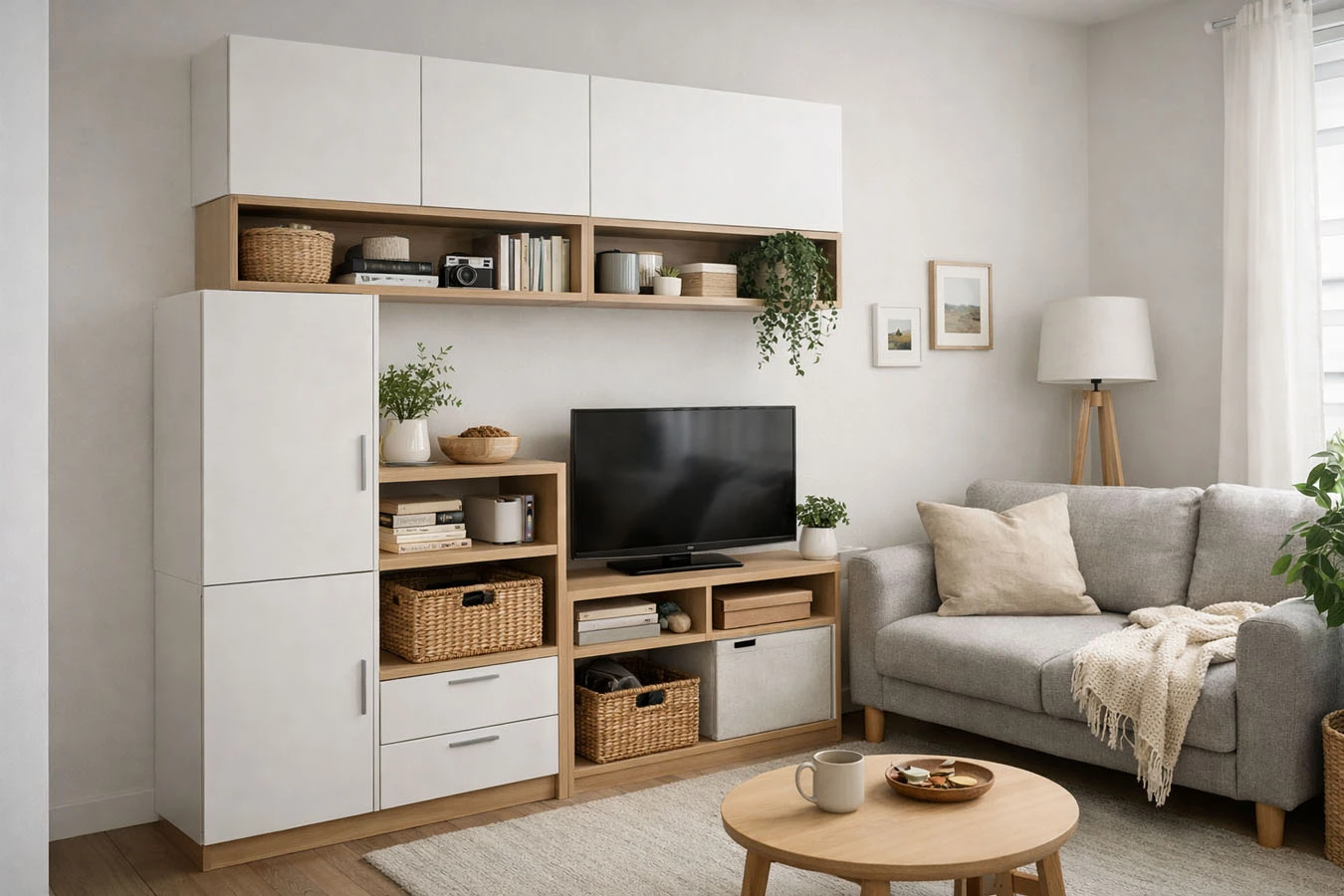
Slim Wall Cabinets provide decorative + functional hybrid storage in a small studio apartment living room.
Slim wall cabinets are designed specifically for tight spaces. Unlike traditional storage units, they prioritize vertical expansion over horizontal footprint, making them ideal for apartments where every inch matters. This allows you to store everyday items without blocking walkways or making rooms feel cramped.
One of the biggest advantages is their ability to fit into “dead zones.” These include narrow walls beside doors, small gaps between furniture, or awkward hallway stretches. Instead of leaving these areas unused, a compact mounted storage unit can turn them into functional zones for organizing essentials.
From a design perspective, slim cabinets also help maintain a clean visual flow. Because they don’t protrude far from the wall, they keep the space feeling open and uncluttered. This is especially important in studio apartments where everything is visible at once.
Best Places to Install Slim Wall Cabinets
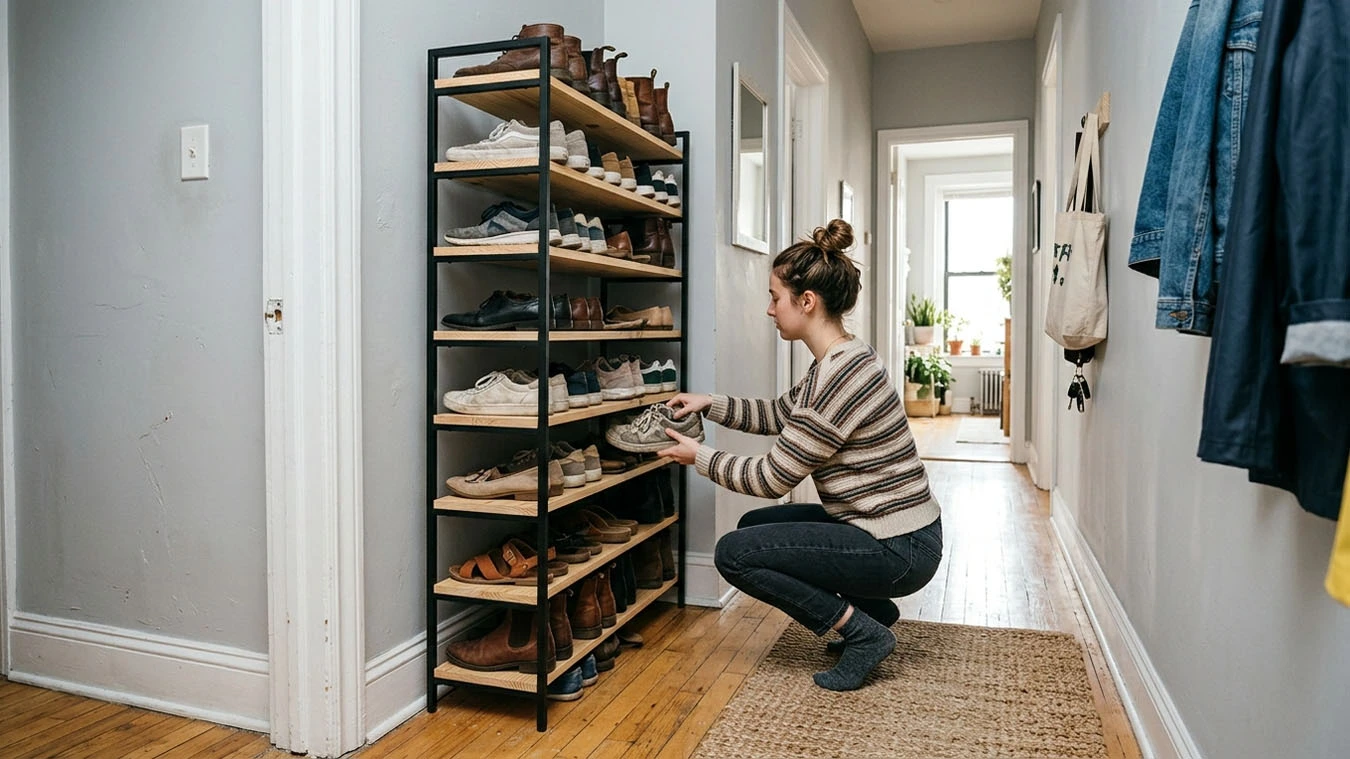
Narrow Vertical Tower Unit provides shoe organization system in a narrow railroad-style apartment narrow hallway transition.
Knowing where to place a slim wall cabinet is just as important as choosing the right one. In small apartments, strategic placement can significantly improve both storage capacity and usability.
Hallways are one of the most underutilized areas. A narrow wall storage cabinet can hold shoes, cleaning supplies, or seasonal items without obstructing movement. In kitchens, slim cabinets work perfectly for pantry overflow, spices, or small appliances—especially when installed on unused wall space.
Bedrooms also benefit from vertical storage. If you lack closet space, a slim cabinet can act as a supplemental wardrobe for folded clothing or accessories. Even bathrooms can accommodate these units, particularly above the toilet or along unused walls, providing storage for toiletries and towels.
For more ideas on maximizing tight areas, explore narrow hallway storage ideas and how they integrate with vertical systems.
Choosing the Right Slim Wall Cabinet for Your Needs
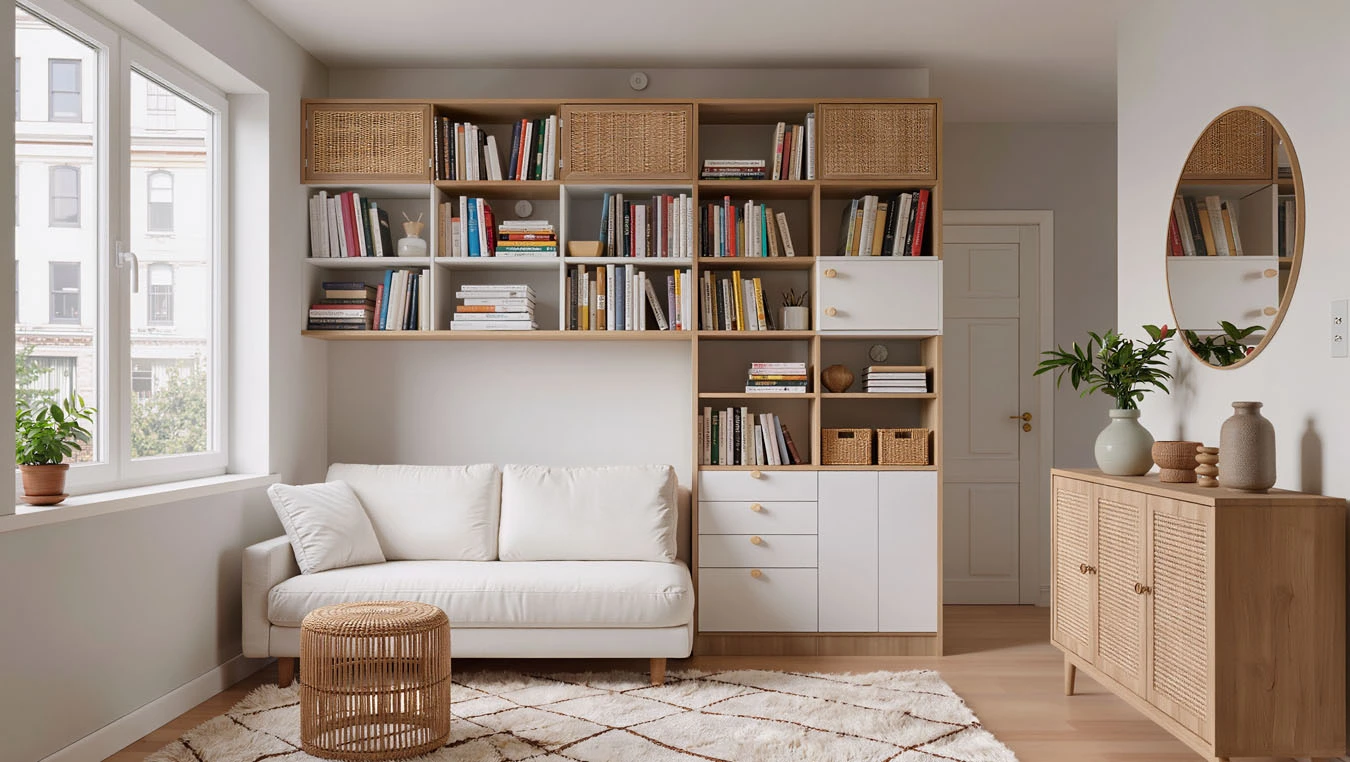
Mixed Modular System (open + Closed) provides overflow book storage in a compact 1-bedroom apartment living room.
Not all slim wall cabinets are created equal. The right choice depends on your specific storage needs, available space, and whether you’re allowed to drill into walls.
If you need hidden storage, closed cabinets are ideal for maintaining a clean look. For easy access and display, open shelving options work better. In kitchens and bathrooms, moisture-resistant materials like laminate or metal are essential to prevent damage over time.
Another key consideration is depth. A cabinet that’s too deep can disrupt movement in tight spaces, while one that’s too shallow may not be practical. Aim for a balance that allows storage without compromising flow.
If you’re unsure where to start, browsing broader systems like modular storage for small apartments can help you understand how different components work together.
Renter-Friendly Slim Cabinet Solutions (No Damage Required)
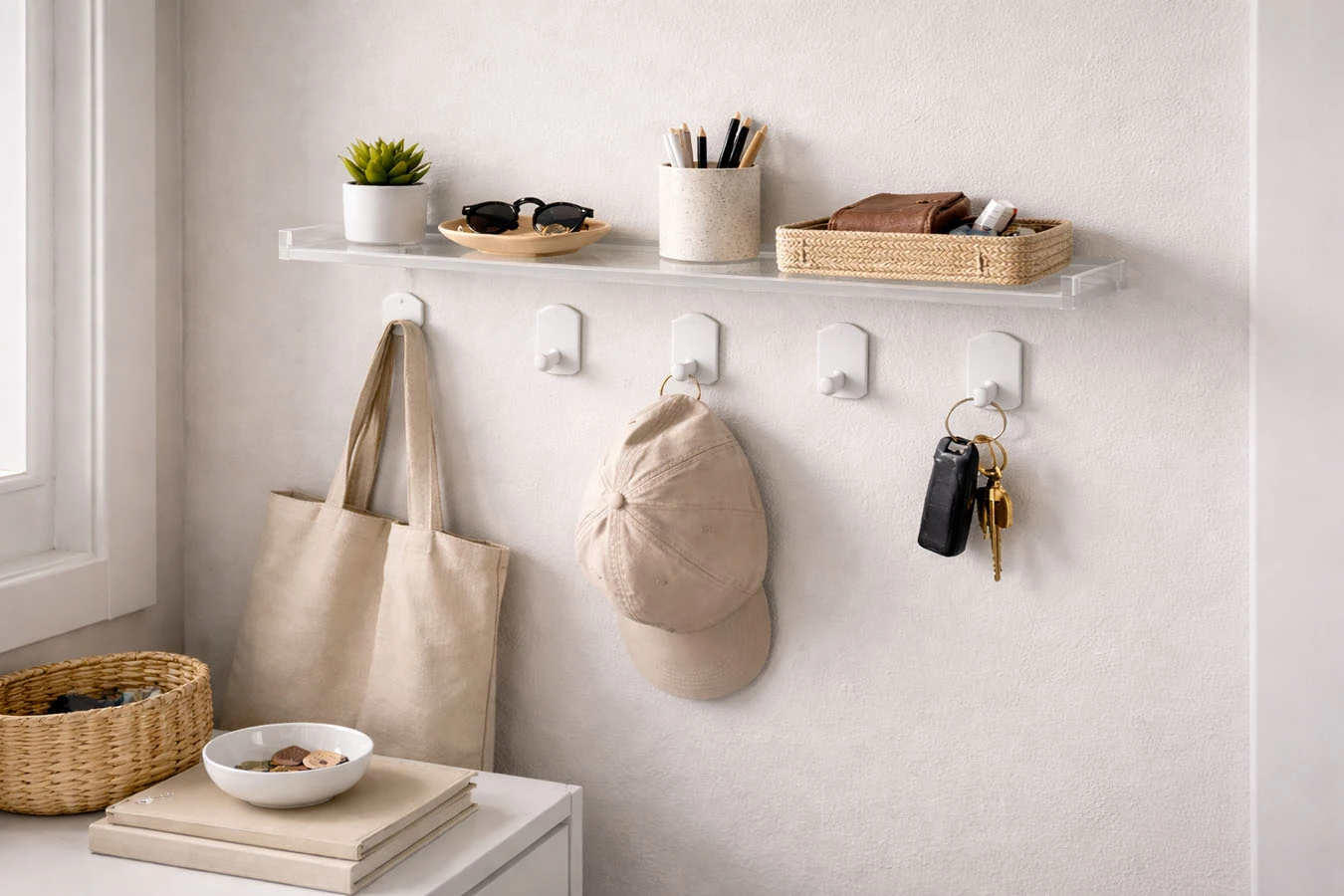
Adhesive Floating Shelf provides key & small item wall organization in a small studio apartment entryway / hallway.
One of the biggest concerns for renters is avoiding wall damage. Fortunately, there are many slim wall cabinet options designed specifically for temporary installation.
Adhesive-mounted systems, tension-based solutions, and lightweight modular units can all provide effective storage without requiring drilling. These options are ideal for entryways, bathrooms, and kitchens where permanent fixtures may not be allowed.
It’s important to follow weight limits and installation guidelines carefully. Overloading adhesive systems can lead to failure, so use them for lighter items like toiletries, keys, or small accessories.
For more renter-safe ideas, check out renter-friendly shelving without drilling and how it complements slim cabinet setups.
Combining Slim Cabinets with Other Vertical Storage Systems
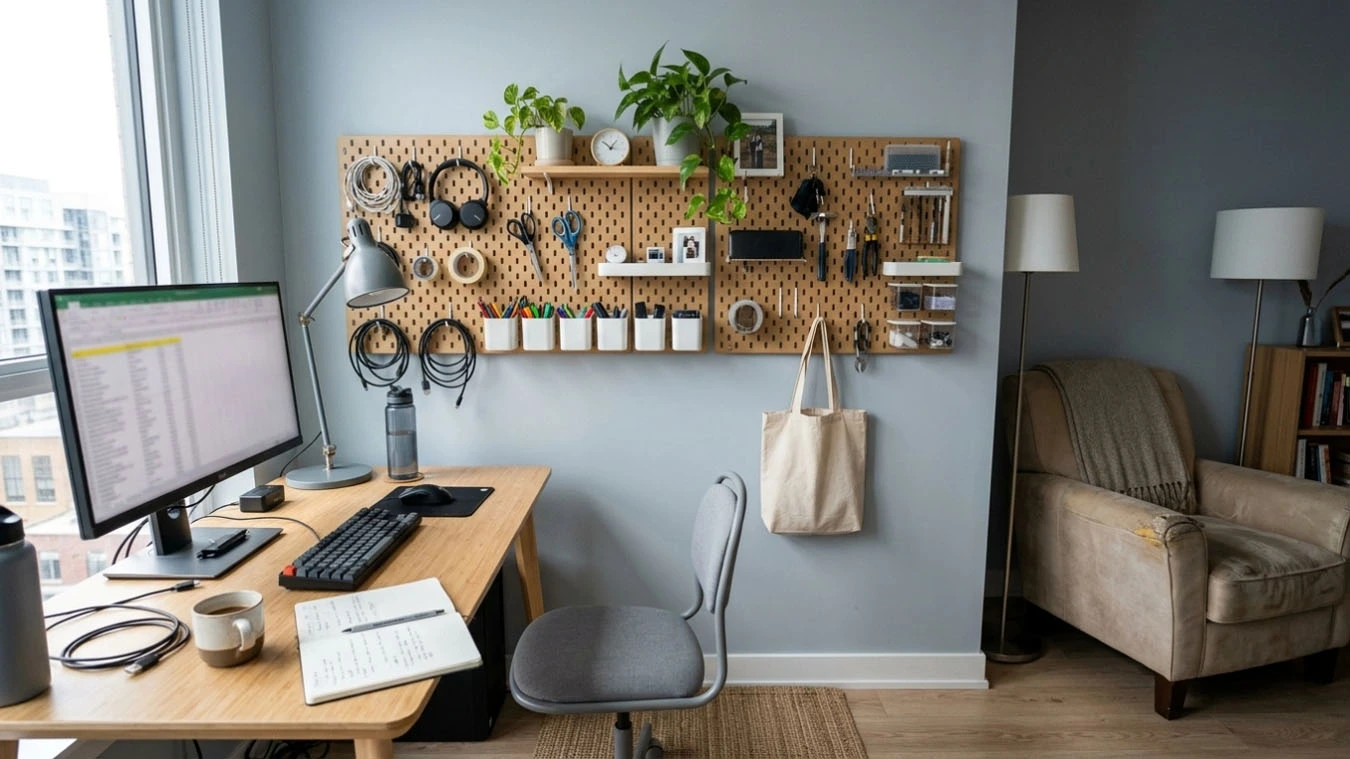
Pegboards provide work-from-home storage in a open-concept small apartment home office.
Slim wall cabinets are most effective when integrated into a larger vertical storage strategy. Instead of relying on a single unit, combining multiple systems creates a more flexible and efficient setup.
For example, pairing a narrow cabinet with pegboards or wall grid organizers allows you to store both bulky and small items in the same area. This layered approach maximizes wall usage without overcrowding any single section.
In living rooms, combining cabinets with floating shelves can create a balanced mix of hidden and visible storage. In workspaces, adding hooks or modular bins enhances accessibility and organization.
Explore broader systems like vertical storage ideas for small apartments to build a complete solution.
Related Storage Ideas:
Design Tips to Keep Slim Cabinets from Feeling Cluttered
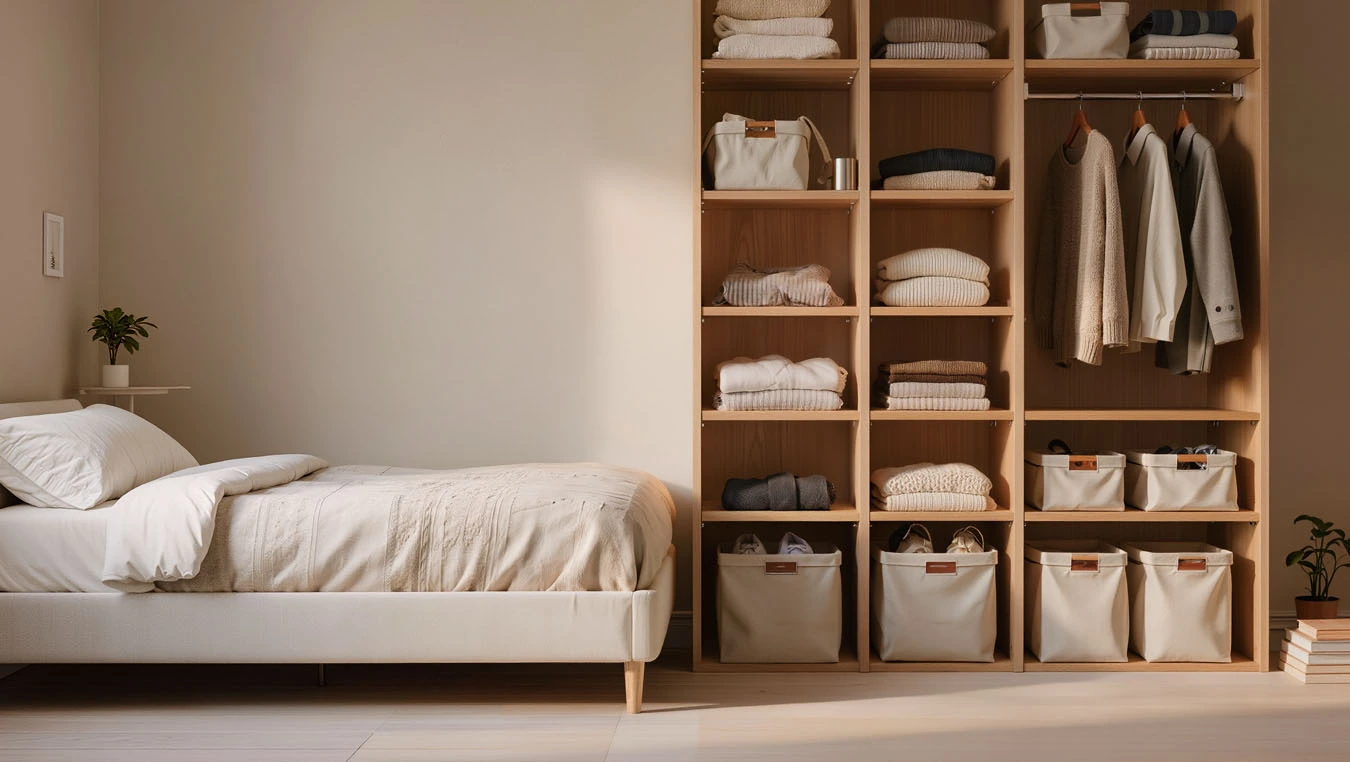
Open Shelving With Fabric Bins provide clothing & wardrobe overflow in a compact 1-bedroom apartment bedroom.
While slim wall cabinets are designed to save space, poor organization can quickly make them feel cluttered. The goal is to maintain both function and visual clarity.
Start by grouping similar items together. Use bins or dividers inside cabinets to prevent items from becoming disorganized. Keeping frequently used items at eye level improves usability and reduces the need to dig through shelves.
Color coordination and material consistency also play a role. Matching bins, neutral tones, and clean lines help create a cohesive look that blends into your space rather than overwhelming it.
Finally, avoid overfilling cabinets. Leaving some breathing room not only improves accessibility but also keeps the space feeling lighter and more open.
How Slim Cabinets Support a Full Apartment Storage System
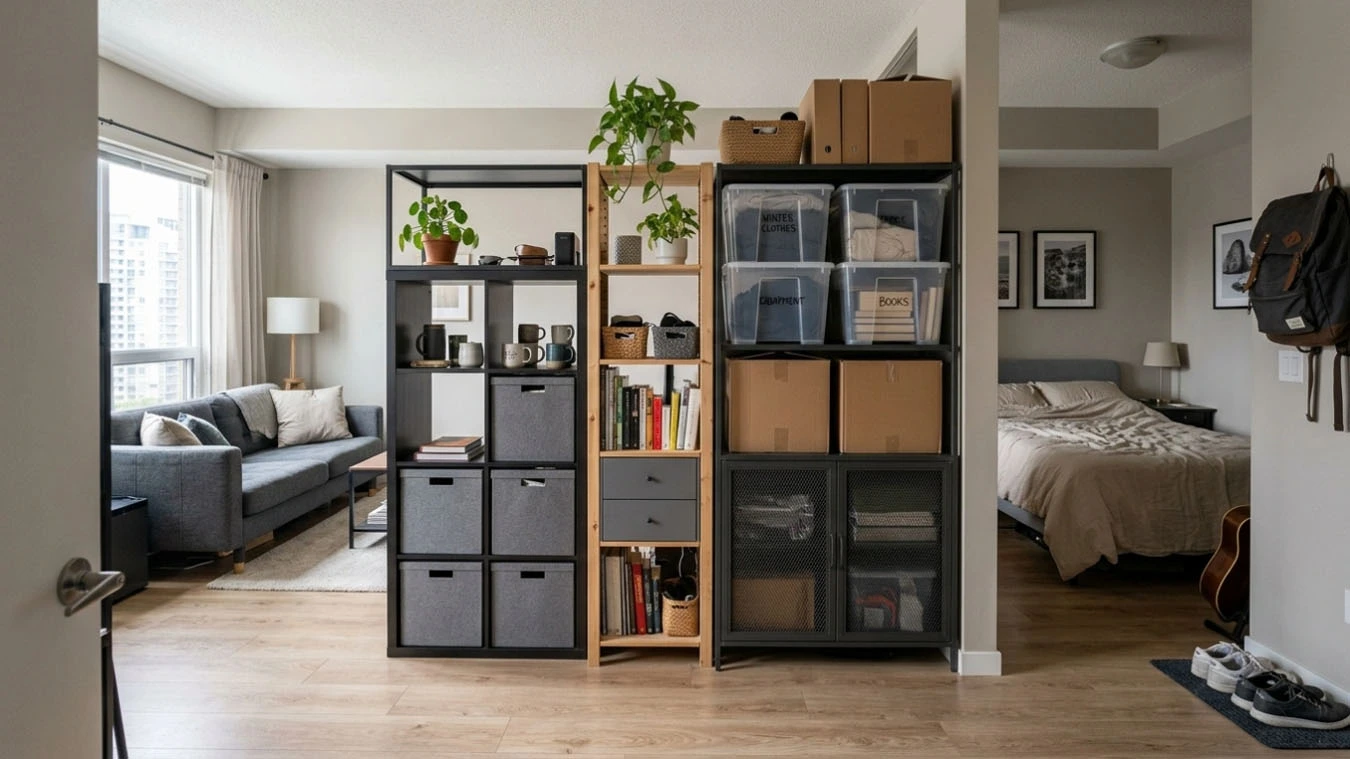
Mixed Modular System (open + Closed) provides seasonal & bulk storage in a open-concept small apartment studio apartment main.
Slim wall cabinets are not just standalone solutions—they’re a key component of a complete small apartment storage system. When used correctly, they help distribute storage across vertical surfaces, reducing reliance on bulky furniture.
This approach allows you to create dedicated zones for different categories, such as kitchen overflow, clothing, or work supplies. By spreading storage across walls, you maintain a balanced layout that feels organized rather than cramped.
They also complement other systems like under-bed storage, over-the-door racks, and modular shelving. Together, these elements create a layered storage strategy that adapts to your needs over time.
For a full breakdown of how everything fits together, visit vertical wall storage systems for apartments.
Conclusion: Make Every Wall Work for You
In a small apartment, unused wall space is wasted potential. A slim wall cabinet small apartment solution allows you to reclaim that space without sacrificing comfort or style. By choosing the right design, placing it strategically, and integrating it with other systems, you can significantly increase your storage capacity.
From narrow wall storage cabinets in hallways to compact mounted storage in kitchens and bedrooms, these solutions offer flexibility and efficiency. They are especially valuable for renters who need adaptable, non-permanent options that still deliver strong results.
When combined with thoughtful organization and vertical planning, slim cabinets become more than just storage—they become part of a smarter, more functional living system.
For a complete system, explore vertical storage solutions, or continue with more small apartment storage ideas.
Ready to transform your space? Start applying these slim cabinet strategies today and create a cleaner, more functional apartment without adding clutter.


